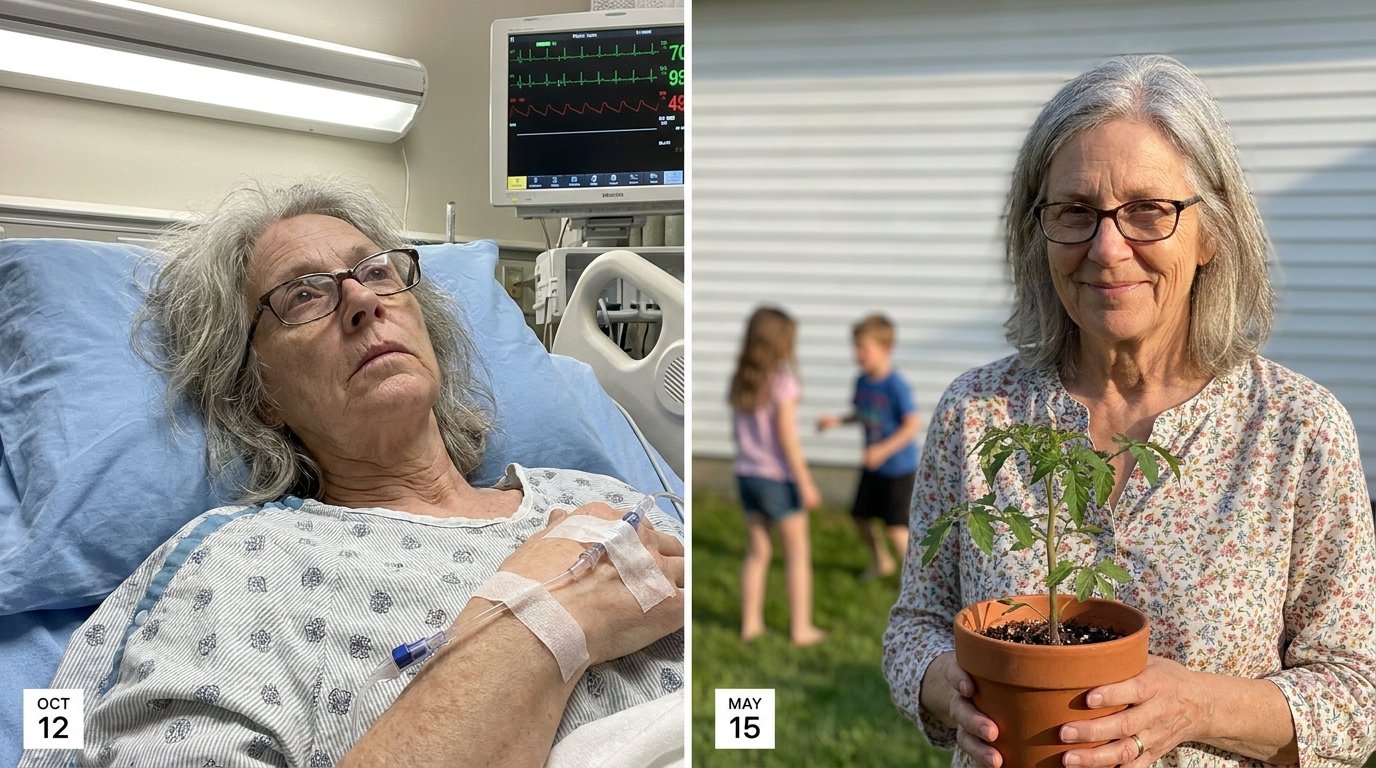
Linda Pearson woke up in the intensive care unit on a Tuesday afternoon in November. Her daughter Sarah was kneeling beside the bed. Her blood glucose had reached 692 milligrams per deciliter — the level a healthy adult should have is around 90.
Linda is 58 years old. She has been a Sunday School teacher at First Baptist Church of Knoxville, Tennessee, for 31 years. She has three children and five grandchildren.
For the previous seven years, she had also been a type 2 diabetic. And she had done everything her endocrinologist told her to do.
She Did Everything Right. It Almost Sent Her to the ICU.
Linda was diagnosed in 2018. Her A1C was 7.2. Her endocrinologist prescribed metformin, then Trulicity, then Ozempic. She walked thirty minutes a day. She tested her glucose four times daily. She never missed an appointment.
Her A1C went from 7.2 to 7.8 to 8.4 to 9.1.
"I was doing everything I was told to do. And every single time I went back to the office, the number was higher."— Linda Pearson
By November of 2025, Linda was injecting Ozempic twice a week, taking metformin twice a day, and watching her A1C climb. Her vision had begun to blur intermittently. Her feet tingled at night.
Then on a Tuesday morning, she woke up dizzy. By the time her husband Robert got her to Tennova Healthcare, she had lost consciousness.
She woke up 36 hours later, in the ICU, to her daughter on her knees beside the bed.
What Linda thought about, in those first seconds of consciousness, was not gratitude.
"My first thought was: I just became the woman my husband has to take care of. After thirty-eight years of taking care of him."— Linda Pearson
Linda had watched her own mother die of diabetes complications fourteen years earlier. She had cleaned her, bathed her, fed her for the last three years of her life. She had sworn — on her knees, in her bedroom — she would never let that happen to her own family.
And now her daughter was crying over her in a hospital bed.
What happened two weeks later changed Linda's life. The free presentation tells the full story."You Need Insulin. For the Rest of Your Life."
On the day of her discharge, the endocrinologist sat down on the edge of her bed.
"Linda, the Ozempic isn't working anymore. We need to start insulin injections. Twice a day. For the rest of your life."
Linda asked him a question. "Doctor, I have done everything you told me to do for seven years. Why is this happening to me?"
He looked at her for a long moment.
"Linda. Diabetes is a progressive disease. There is no cure."
That night Robert drove her home in silence. What she did not yet know — what neither of them knew — was that something else had already started to go wrong.
In her left eye.
The Shadow That Wouldn't Go Away
Two weeks later, Linda noticed "a shadow" in the upper field of her left eye. She thought it was exhaustion. It got bigger.
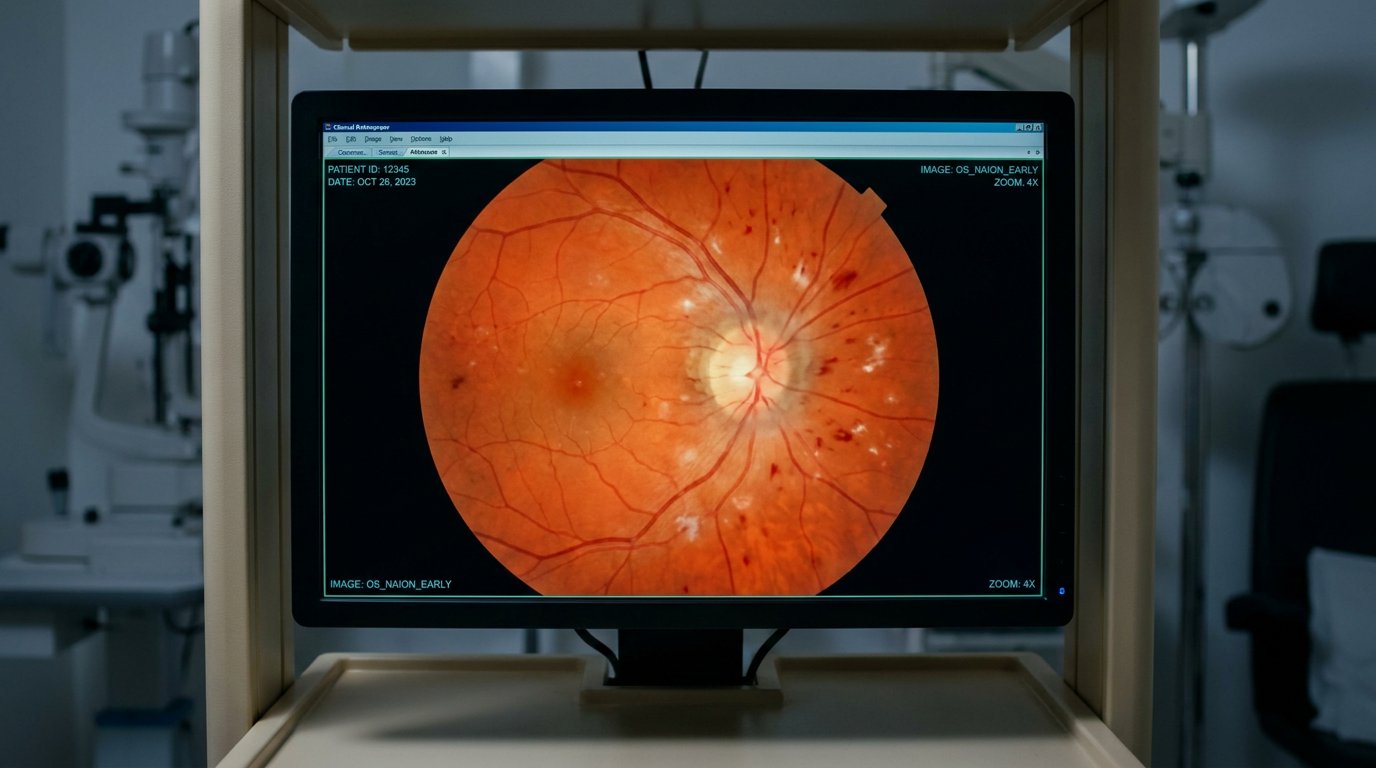
Retinography of a patient with non-arteritic anterior ischemic optic neuropathy (NAION) — the "eye stroke" condition the World Health Organization formally linked to semaglutide medications, including Ozempic, in June 2025.
On December 4, she went to see Dr. James Whitfield, an ophthalmologist at the University of Tennessee Medical Center. He performed a retinography. Three days later he asked her to sit down.
"Linda, you have early signs of non-arteritic anterior ischemic optic neuropathy. NAION. It is sometimes called an eye stroke. The vision loss is permanent. There is no treatment that reverses it."
He slid a printed document across the desk. It was a safety alert from the World Health Organization, dated June 27, 2025.
What the World Health Organization Actually Said
On June 27, 2025, the World Health Organization issued a global safety alert linking semaglutide medications — Ozempic, Wegovy, and Rybelsus — to non-arteritic anterior ischemic optic neuropathy (NAION).
A Harvard study published in JAMA Ophthalmology found that diabetic patients on semaglutide were four times more likely to develop NAION than patients on other medications. In overweight patients, the hazard ratio reached 7.64.
On December 15, 2025, the U.S. Judicial Panel on Multidistrict Litigation centralized the lawsuits in federal court in Pennsylvania. As of March 2026, 3,363 plaintiffs are part of the consolidated lawsuit. Linda Pearson is not yet one of them.
The FDA, as of this writing, has not issued a public alert in the United States.
Linda read the document twice. Then she said the sentence the CBS reporter would later describe as the most chilling thing she had heard in her career.
"The medication my doctor said would save my life... is making me go blind."— Linda Pearson, December 2025
Find out what 11,000 other Americans did when their doctors gave them the same diagnosis.2:47 AM. A Tuesday. Linda Got On Her Knees.
It was twelve days before Christmas. Linda had stopped Ozempic. Her endocrinologist had switched her to insulin. The shadow in her left eye had stabilized but had not gone away.
She could no longer drive. Robert took her everywhere. She was, she told us, becoming the woman she had spent her entire life trying not to become.
That night, at 2:47 AM, Linda woke up unable to sleep. She got out of bed, walked into the office across the hall, and knelt down beside the desk.
"Lord," she prayed, "I'm scared. I don't want to go blind. I don't want my daughter to bathe me. Please, please show me something. Anything."
She got back into bed. She still could not sleep. She picked up her phone.
The first post on her Facebook feed — a page she had not followed, a video she had not searched for — was a pastor she had never seen before, holding a small bottle.
"Beloved," he said, looking directly into the camera, "if you are a Christian and you still suffer from type 2 diabetes, the Lord put me on this video tonight to tell you something the world does not want you to know."
Linda watched the video three times that night.
The next morning, she ordered the formula.
The same video Linda saw at 2:47 that morning — still online, though it has been removed seven times.What the Bible and Cambridge University Have in Common
What Linda discovered in that video — and what CBS Health Watchdog spent six weeks fact-checking — connects two worlds that almost never speak to each other.
The substance referenced in over 200 passages of Scripture is described by biblical scholars not merely as a culinary item, but as a sacred substance used by ancient civilizations for healing.
What Scientists Saw Under the Cambridge Microscope
Researchers at the University of Cambridge isolated insulin from diabetic patients before and after introducing the compound found in the substance referenced in Exodus 30. The difference, photographed under a Nobel Prize-winning microscope, stunned the research team.

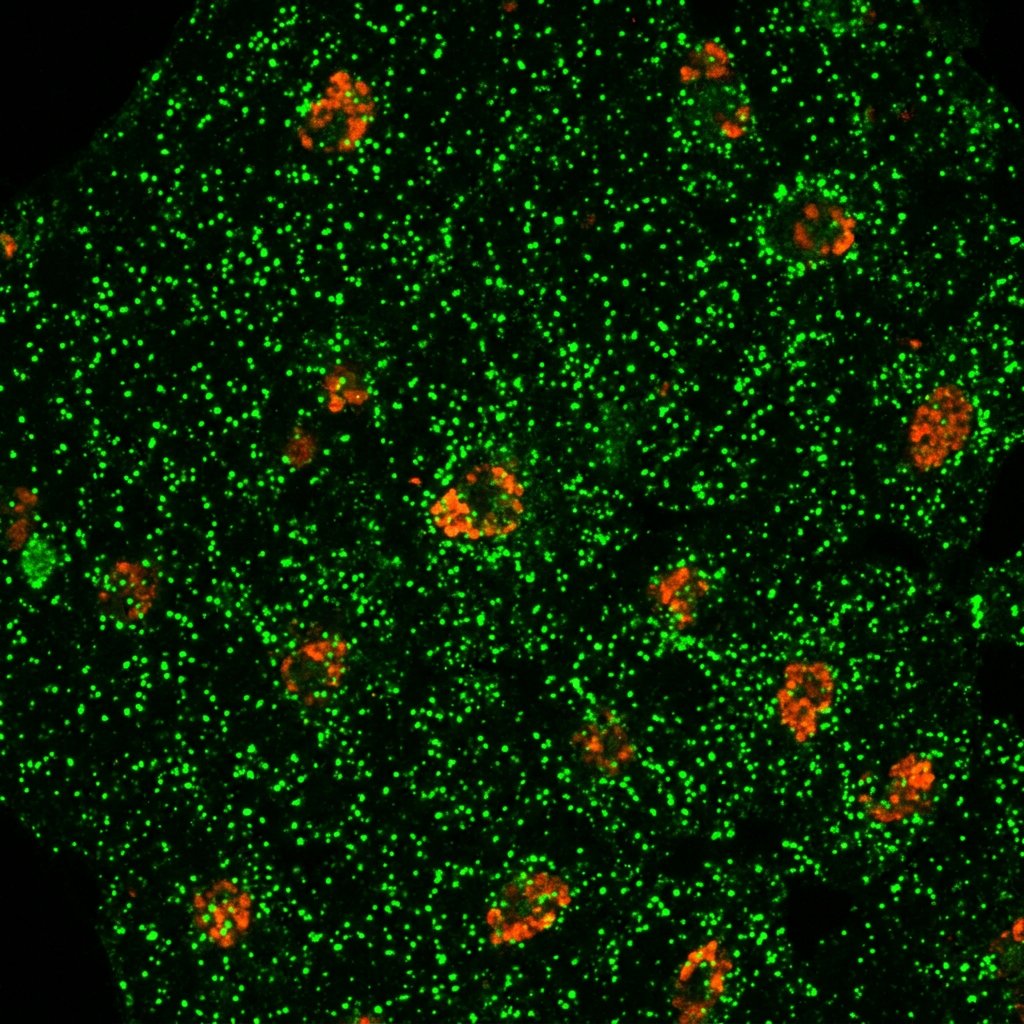
Source: University of Cambridge metabolic research, 2023. Confirmed by Munich University using Nobel Prize-winning fluorescent imaging technology.
What Cambridge University documented in 2023 is that a specific compound found in this substance produced a 280% increase in a previously little-understood protein called GLUT-4 — what scientists now believe may be the missing piece in why some diabetics reverse their condition while others spend the rest of their lives on injections.
See the full Cambridge research, the verses, and the formula explained inside the free presentation.In other words: what Cambridge is now beginning to discover, ancient Hebrew scribes documented in the Old Testament more than three thousand years ago.
Eight Months Later: Numbers Her Endocrinologist Could Not Explain
Linda began the protocol on December 17, 2025. She did not tell her endocrinologist.
Eight months later, she sat down for a follow-up appointment. He ran a full metabolic panel. Then he ran it again. Then a third time.
"He said: 'Linda, I am a doctor. I am not allowed to recommend this to you. But if you were my mother... I would tell you to keep doing exactly what you are doing.'"— Linda Pearson, recalling the August 2026 appointment
Linda has not taken Ozempic since December 2025. She has not taken insulin since May 2026. She drives herself to church on Sunday mornings. She drives herself to the grocery store. She drives herself to her granddaughter's daycare.
"I am not blind," she said. "I am not on insulin. I did not become my mother. The Lord answered my prayer. And He used a 47-minute video on Facebook to do it."
Hear how 11,000 other Americans say they followed the exact same protocol.She Is Not the Only One
After Linda shared her story in a Facebook prayer group at her church, dozens of women responded. CBS Health Watchdog interviewed three of them by phone over the past three weeks.
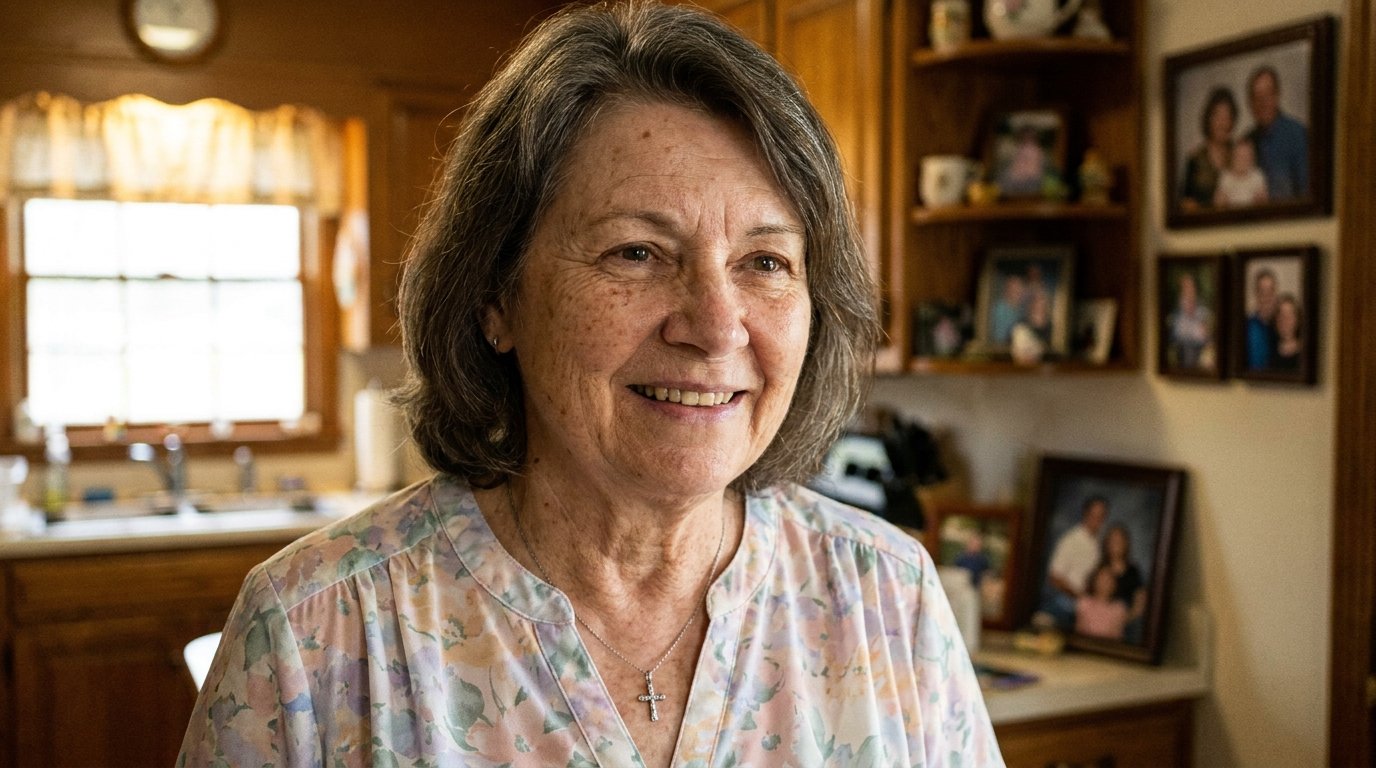
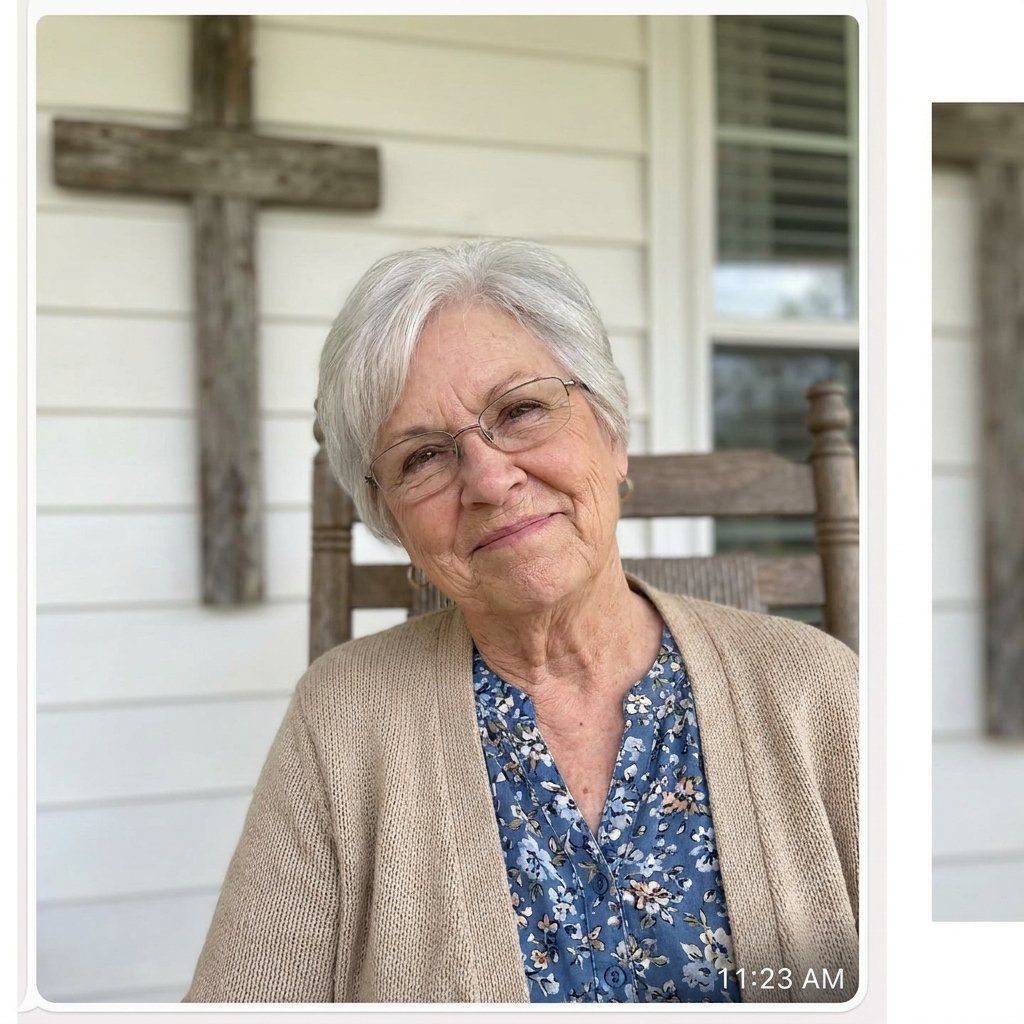
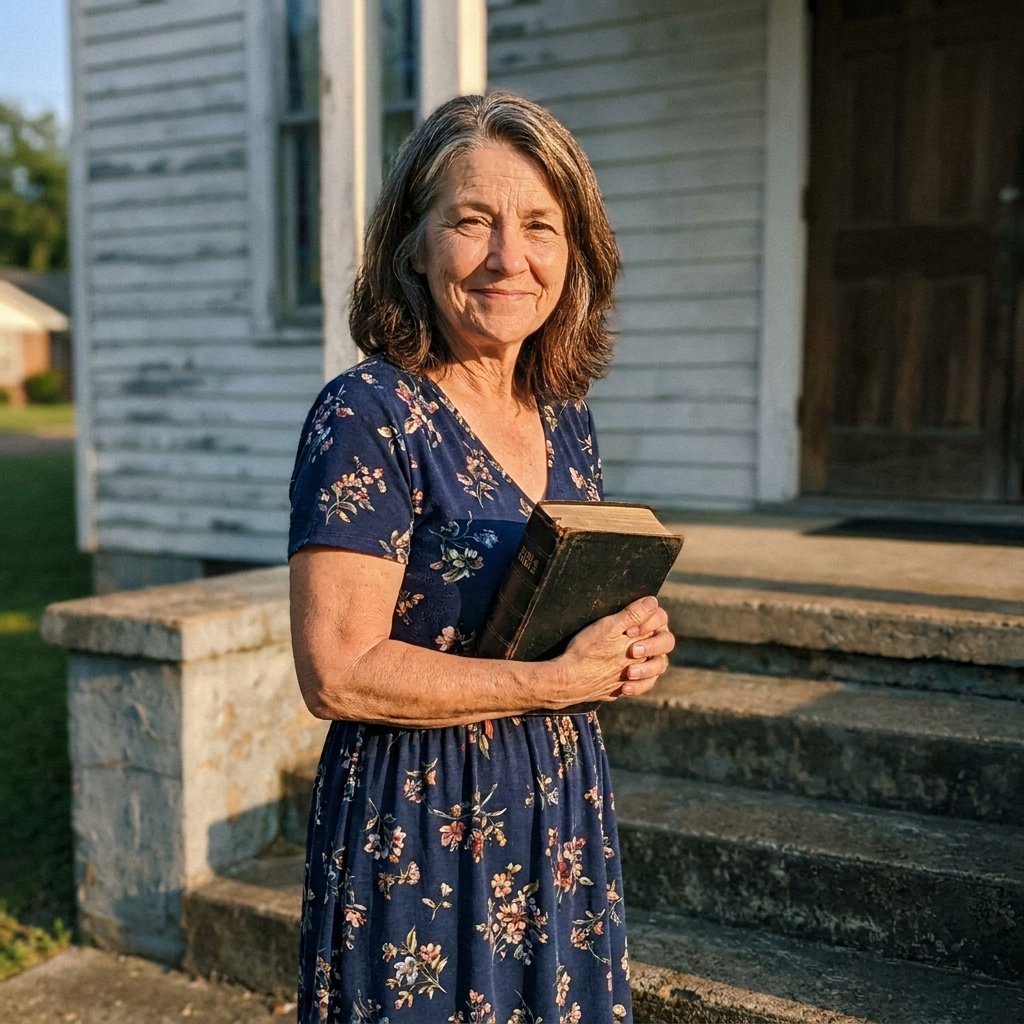
Names verified by CBS Health Watchdog. Phone interviews on file. Identifying details modified to protect privacy. Individual results vary.
The same protocol Susan, Marlene, and Patricia followed — explained step by step.Why You Are Hearing About This From CBS — And Not From Your Doctor
The American diabetes industry generates more than $90 billion in revenue per year. Ozempic alone accounts for over $14 billion of that — more than the entire annual budget of NASA.
Every patient who finds a way to manage diabetes without long-term medication represents lost revenue. Novo Nordisk alone spent $1.7 billion on direct-to-consumer advertising in 2024.
Why $1.7 billion in advertising hasn't been able to bury this presentation.What that money buys, in part, is silence. The pastor's video Linda watched on December 16 has been removed from Facebook seven times. It has been re-uploaded by independent users thirty-one times. As of this morning, it is back online.
CBS does not endorse any product mentioned in this article. CBS is reporting on what 11,000 Americans, including Linda Pearson, say transformed their lives. The decision is yours.